Decred

Designing for Decred meant establishing clarity and trust in an ecosystem that was still defining its norms.

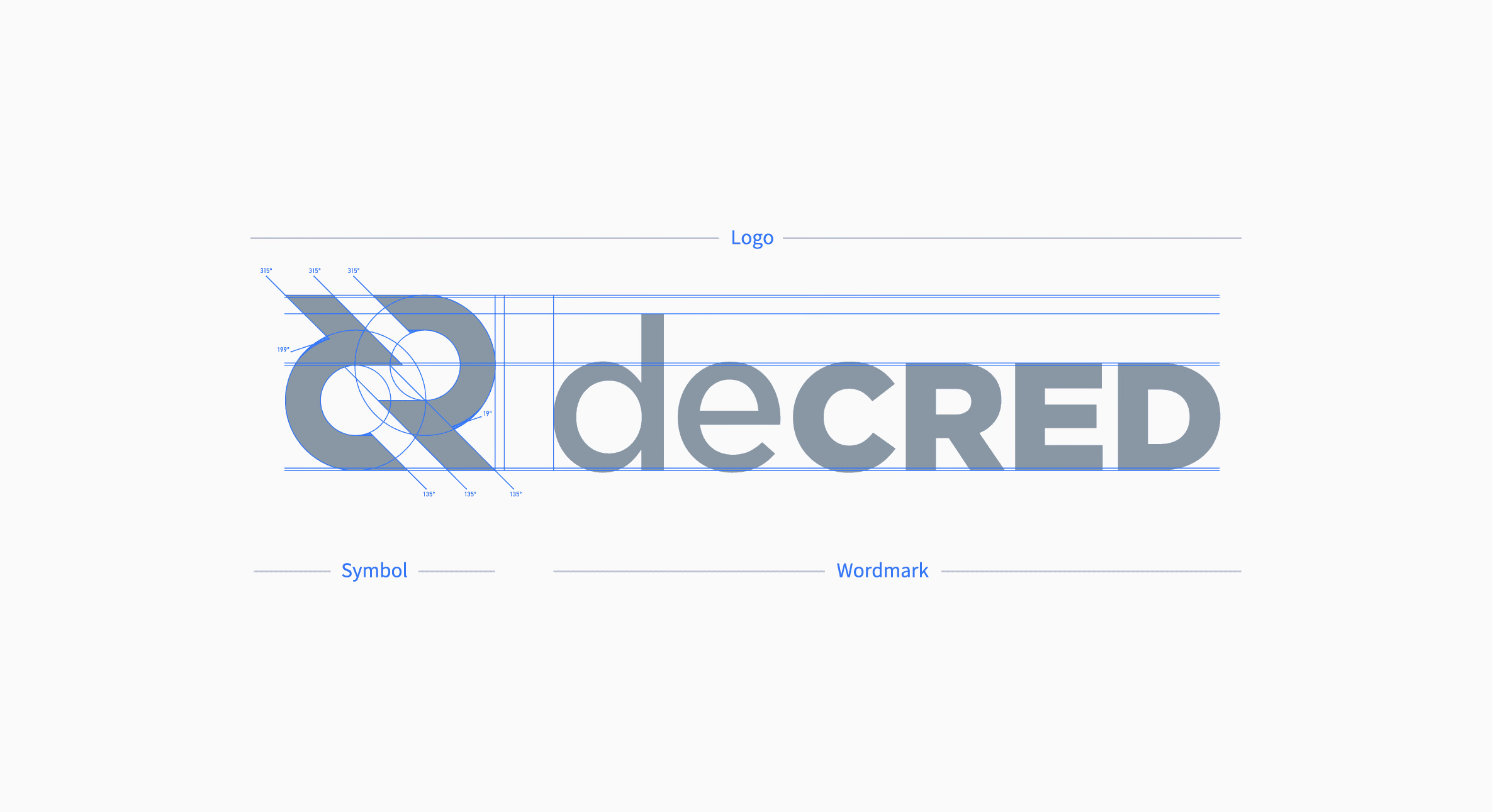
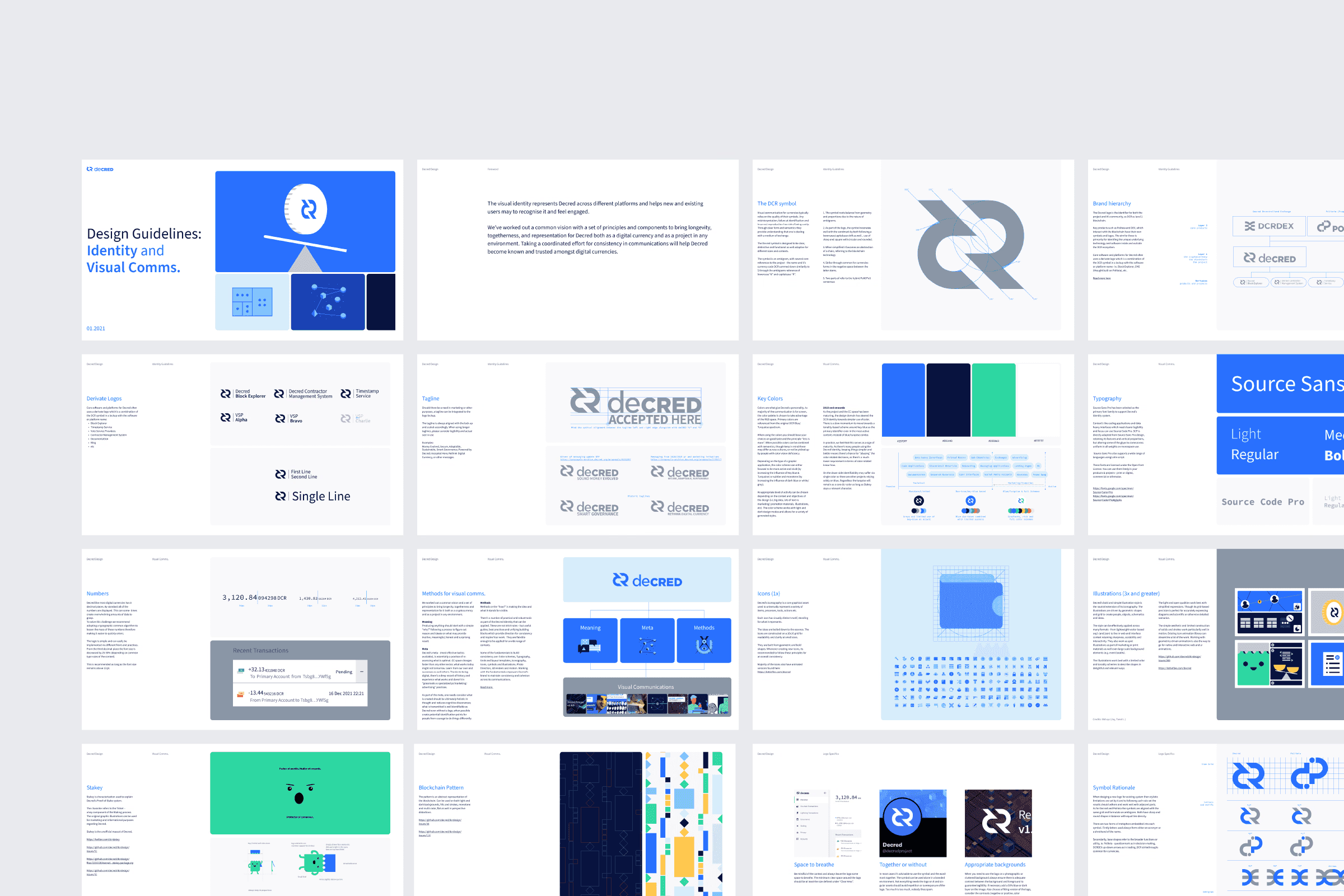
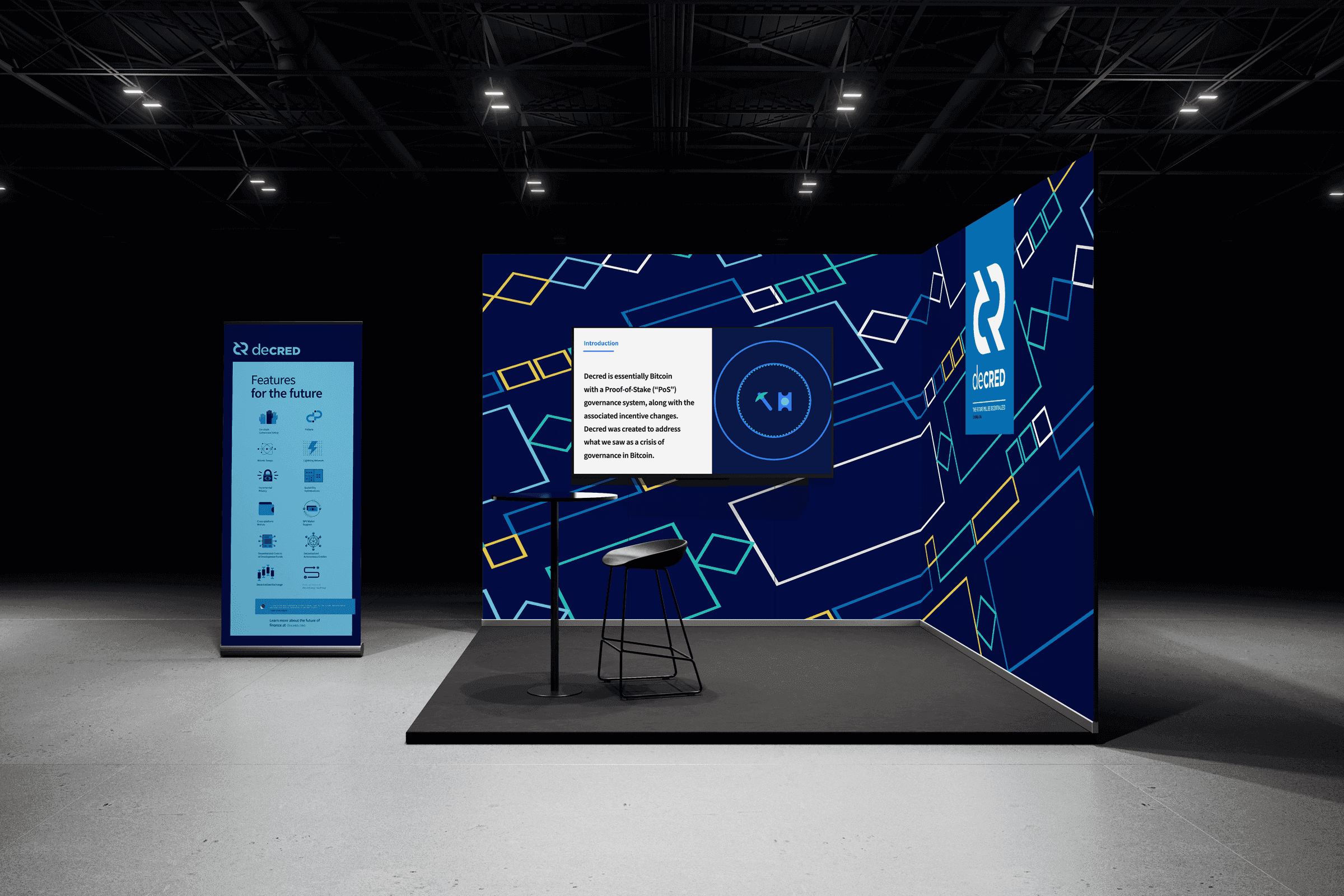
The DCR symbol was created to be immediate and adaptable – simple enough to sketch by hand, yet distinctive enough to function alongside global currency marks. Around it, the brand system was structured as an open framework rather than a closed identity, so contributors and community teams could use and expand on it without fragmenting the visual language.

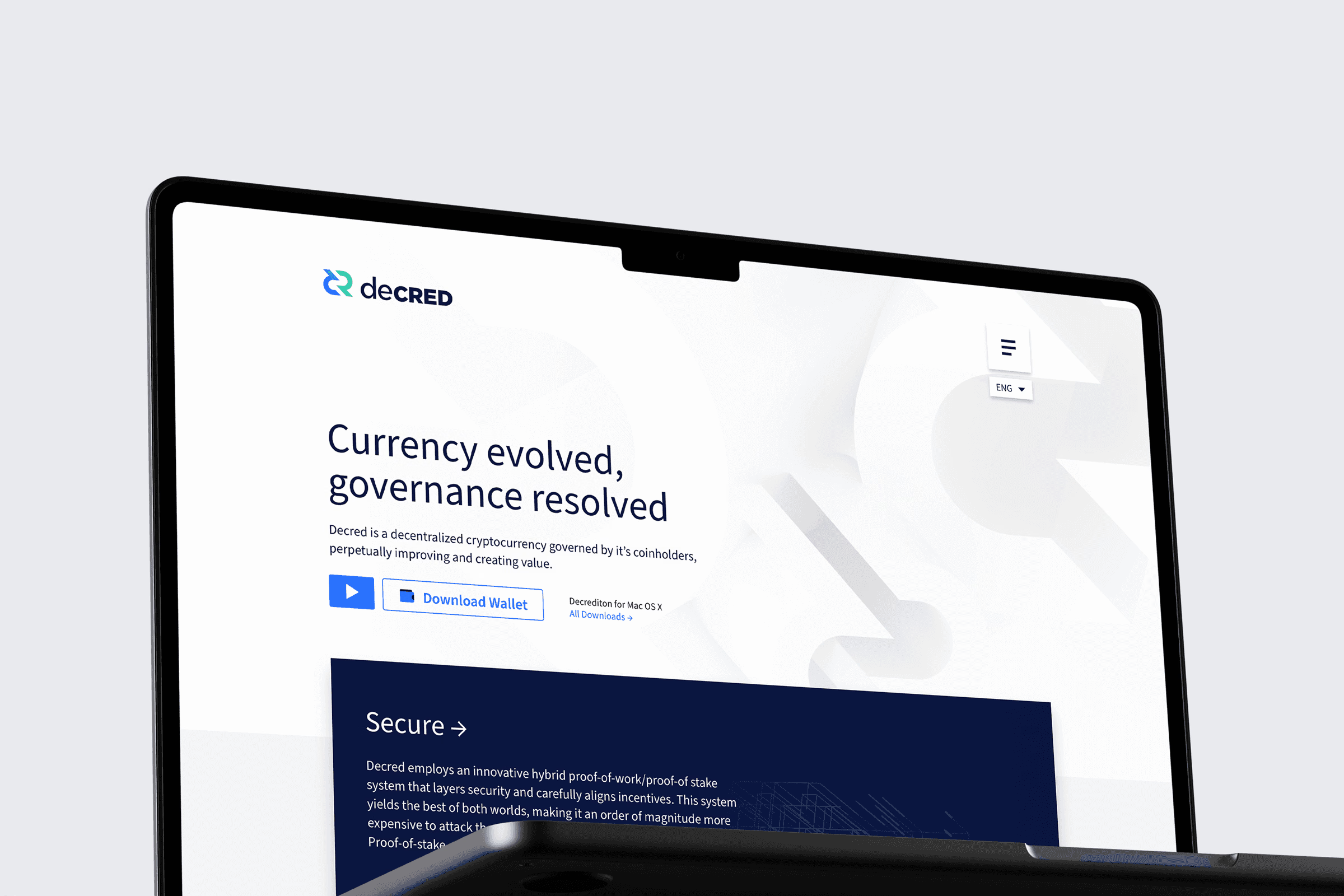
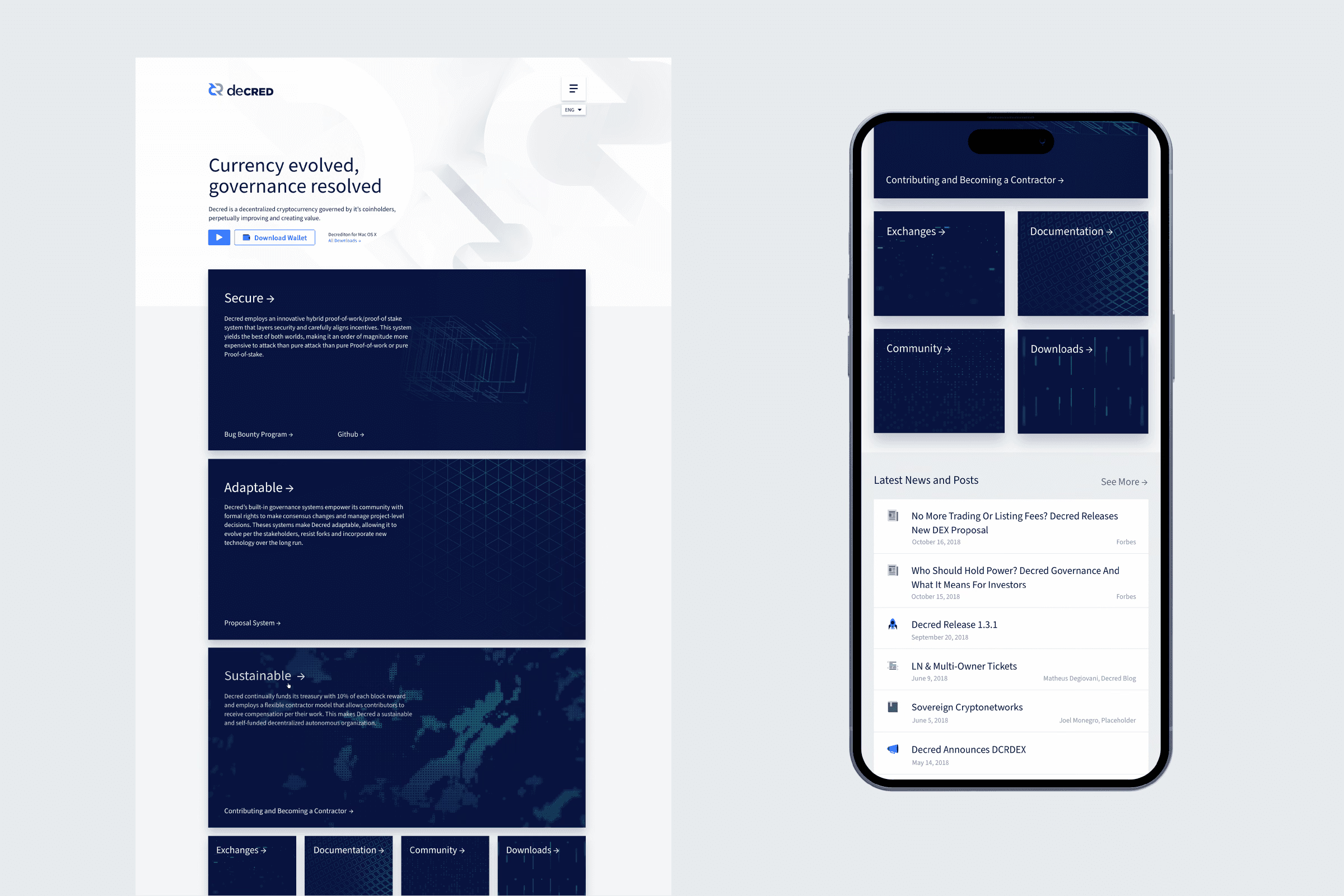
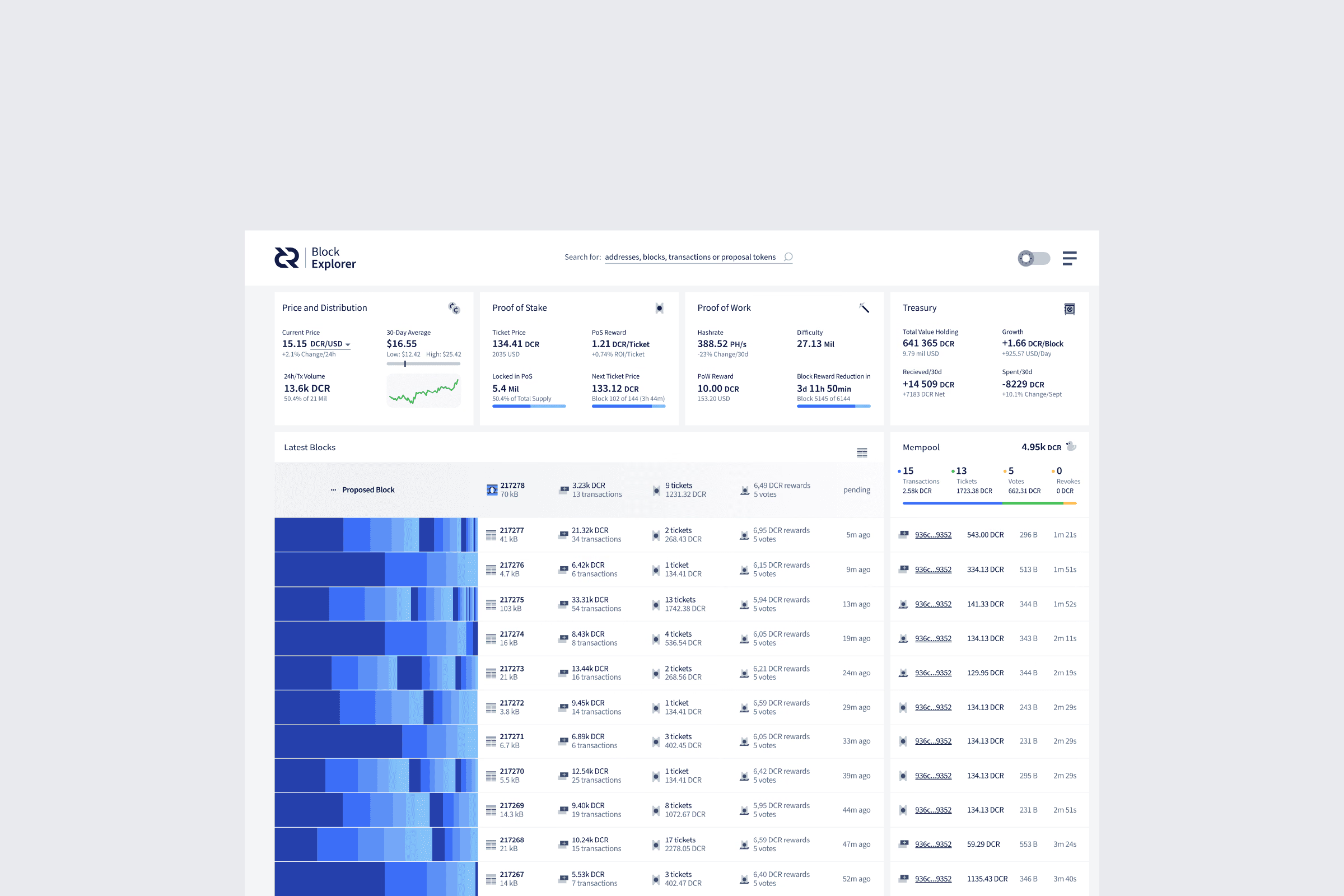
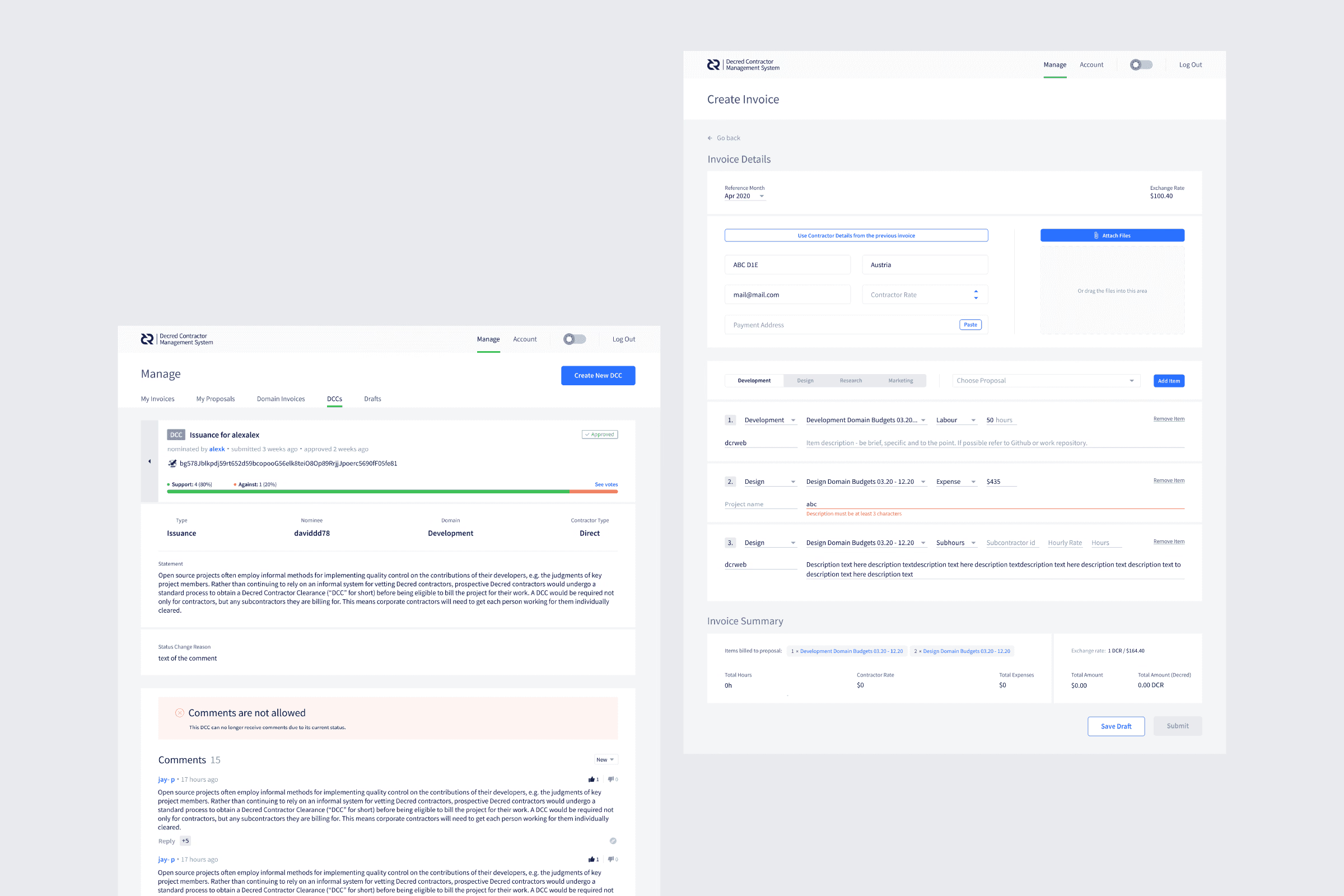
The work went beyond aesthetics. The system provided a shared foundation for communication, interfaces, and contributor-built tools, helping the project present itself coherently across wallets, governance platforms, and community channels. Launched in 2017, it gave Decred a consistent vocabulary it could operate and evolve with as participation grew.

In a period of real momentum, our design approach didn’t try to manufacture excitement – it organized it, giving the project shape, legibility, and direction.


The identity supported multiple major releases without needing to be re-branded or hard-forked so to say. It grew with the project rather than competing with it.

Designing for Decred meant shaping how the project communicates trust and clarity in an industry that often lacked both at the time.

The DCR symbol was designed to be immediate and adaptable—simple enough to be drawn by hand but distinctive enough to stand alongside global currency symbols. Beyond the logo, the brand system was built as an open framework, enabling contributors and community members to use and adapt it without losing cohesion.

This was about creating tools that made Decred easier to understand, represent, and build upon. The design system, launched in 2017, became a practical foundation for Decred’s growth. It provided consistency in communication, helped define product interfaces, and gave the project a visual presence that could scale with its ambitions.

Momentum existed—design gave it clarity and form.

Year
2016 - 2021
Year
2016 - 2021
Year
2016 - 2021
Year
2016 - 2021
Credits
Tanel August Lind
Credits
Tanel August Lind
Credits
Tanel August Lind
Credits
Tanel August Lind
Sander M.
Sander M.
Sander M.
Sander M.
Kärt Koosapoeg
Kärt Koosapoeg
Kärt Koosapoeg
Kärt Koosapoeg
Kyle Chivers
Kyle Chivers
Kyle Chivers
Kyle Chivers
Marcel Lustosa
Marcel Lustosa
Marcel Lustosa
Marcel Lustosa
30000fps
30000fps
30000fps
30000fps
Tuomas Järvenpää
Tuomas Järvenpää
Tuomas Järvenpää
Tuomas Järvenpää
Jani Reijonen
Jani Reijonen
Jani Reijonen
Jani Reijonen
Sander Joon
Sander Joon
Sander Joon
Sander Joon
Maria Pleshkova
Maria Pleshkova
Maria Pleshkova
Maria Pleshkova
Morphy More
Morphy More
Morphy More
Morphy More
Vlad Harkiv
Vlad Harkiv
Vlad Harkiv
Vlad Harkiv
Hannes Dvorjanski
Hannes Dvorjanski
Hannes Dvorjanski
Hannes Dvorjanski
Mykolas Raižys
Mykolas Raižys
Mykolas Raižys
Mykolas Raižys
Decred Developers
Decred Developers
Decred Developers
Decred Developers
Links
https://www.decred.org
Links
https://www.decred.org
Links
https://www.decred.org
Links
https://www.decred.org
https://www.figma.com/@dcrdesign
http://github.com/decred/dcrdesign/
http://twitter.com/decredproject
Co-authored the brand identity and managed the majority of the project's design operations. Served as lead designer from early release and during key protocol developments, including the implementation of staking, Decrediton wallet, Politeia and consensus voting, Lightning Network, Atomic Swaps and CoinShuffle++, delivering cohesive design solutions that helped interact and communicate with complex blockchain concepts to both technical and non-technical audiences.

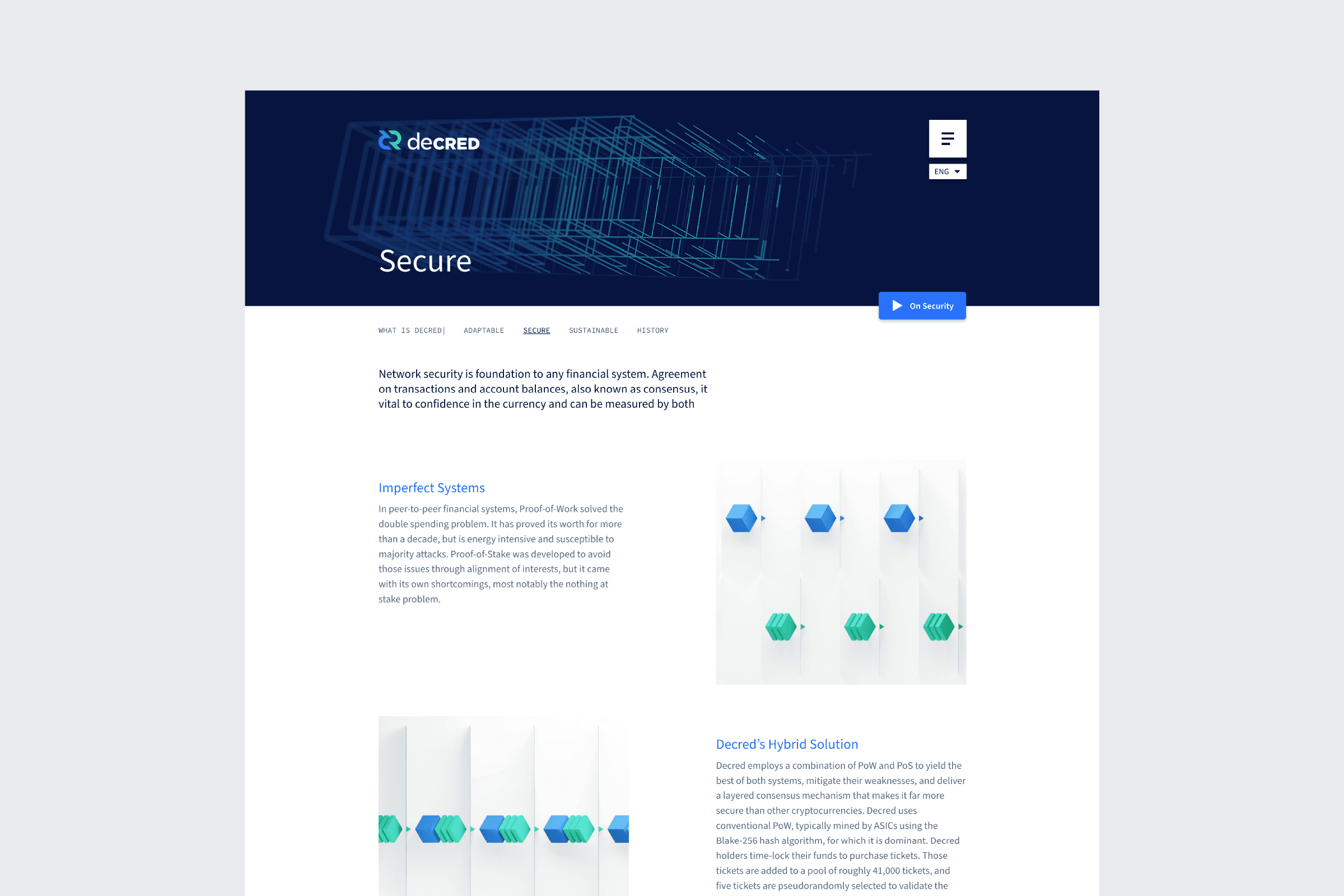
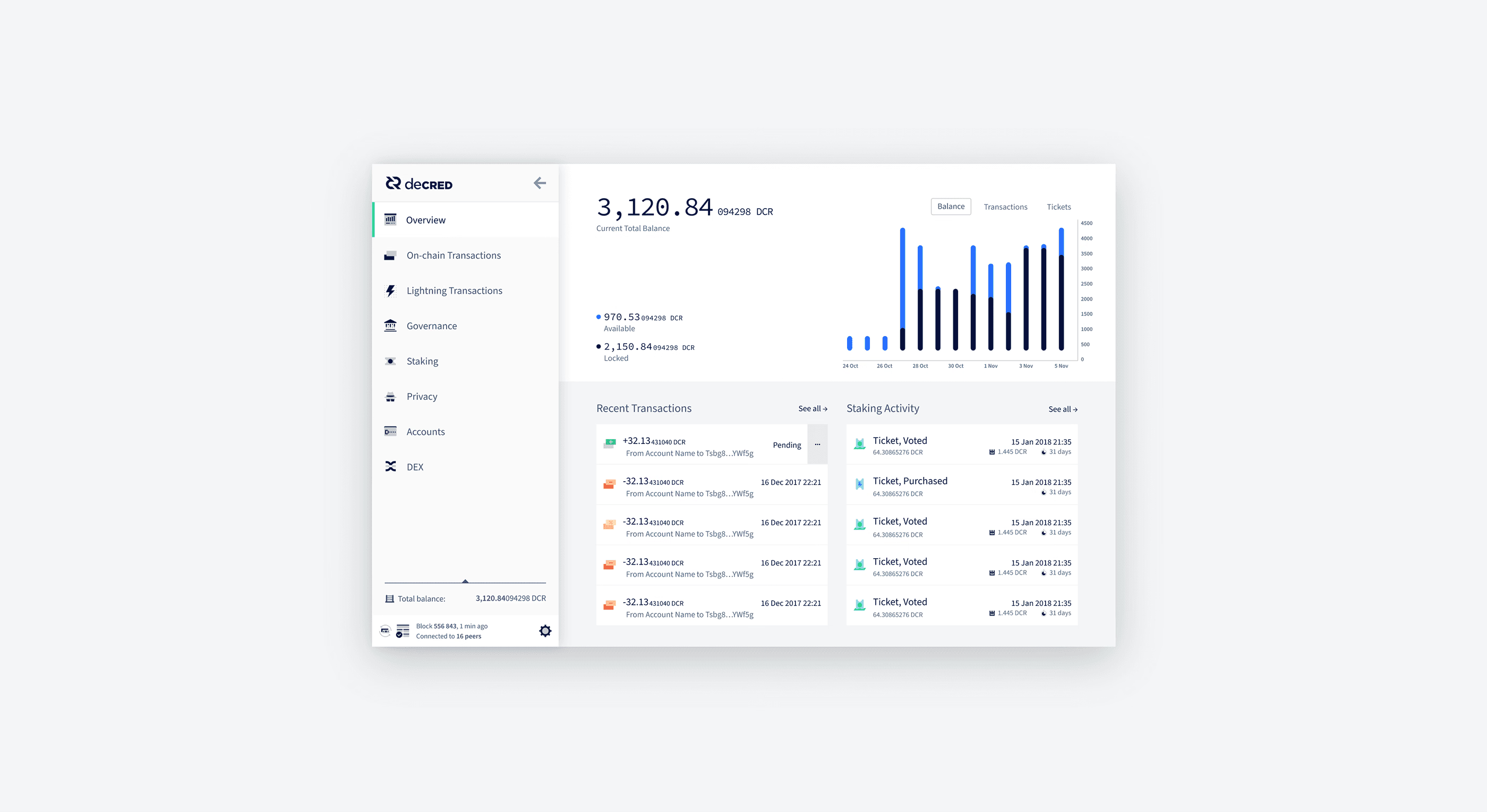
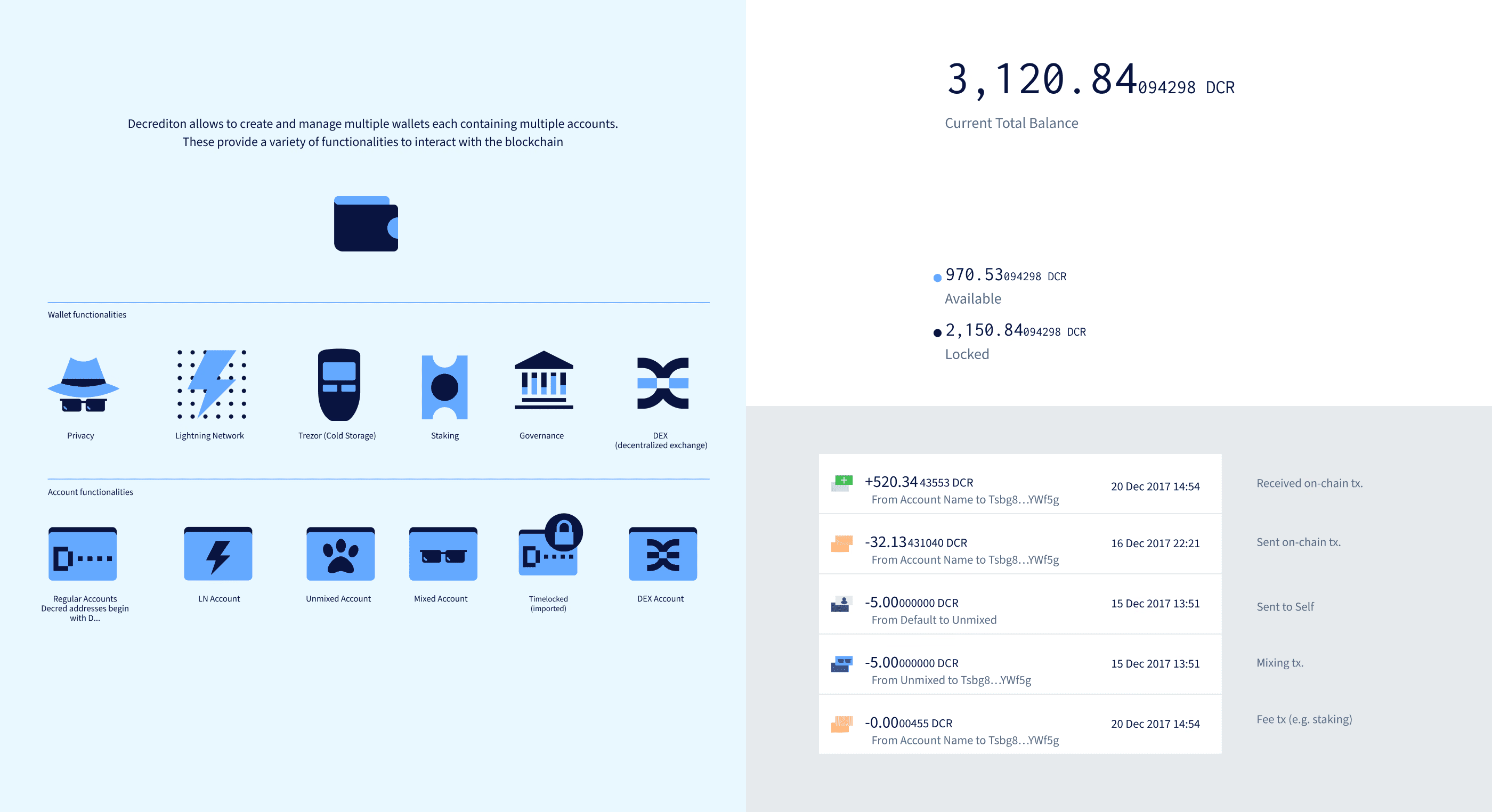
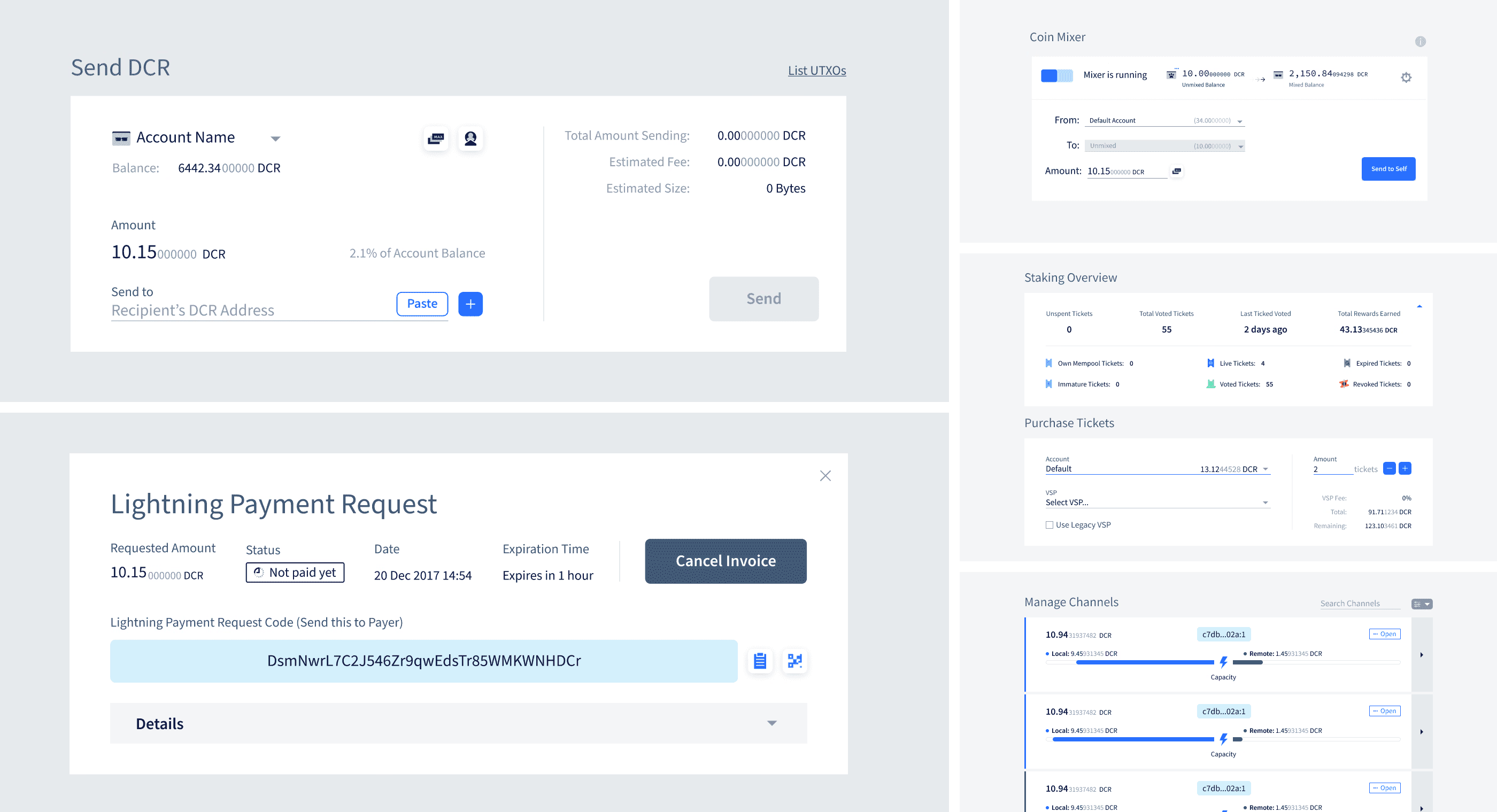
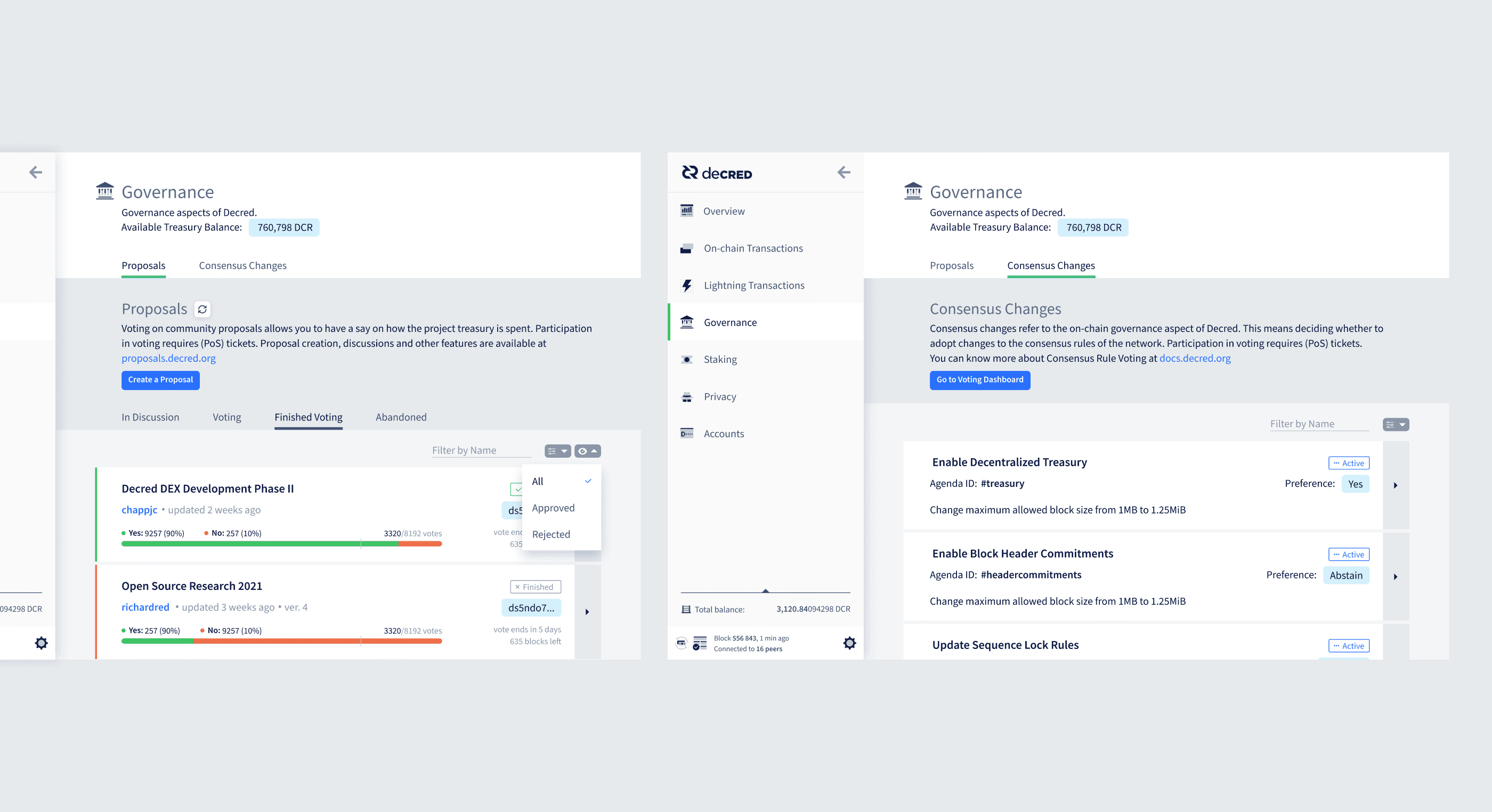
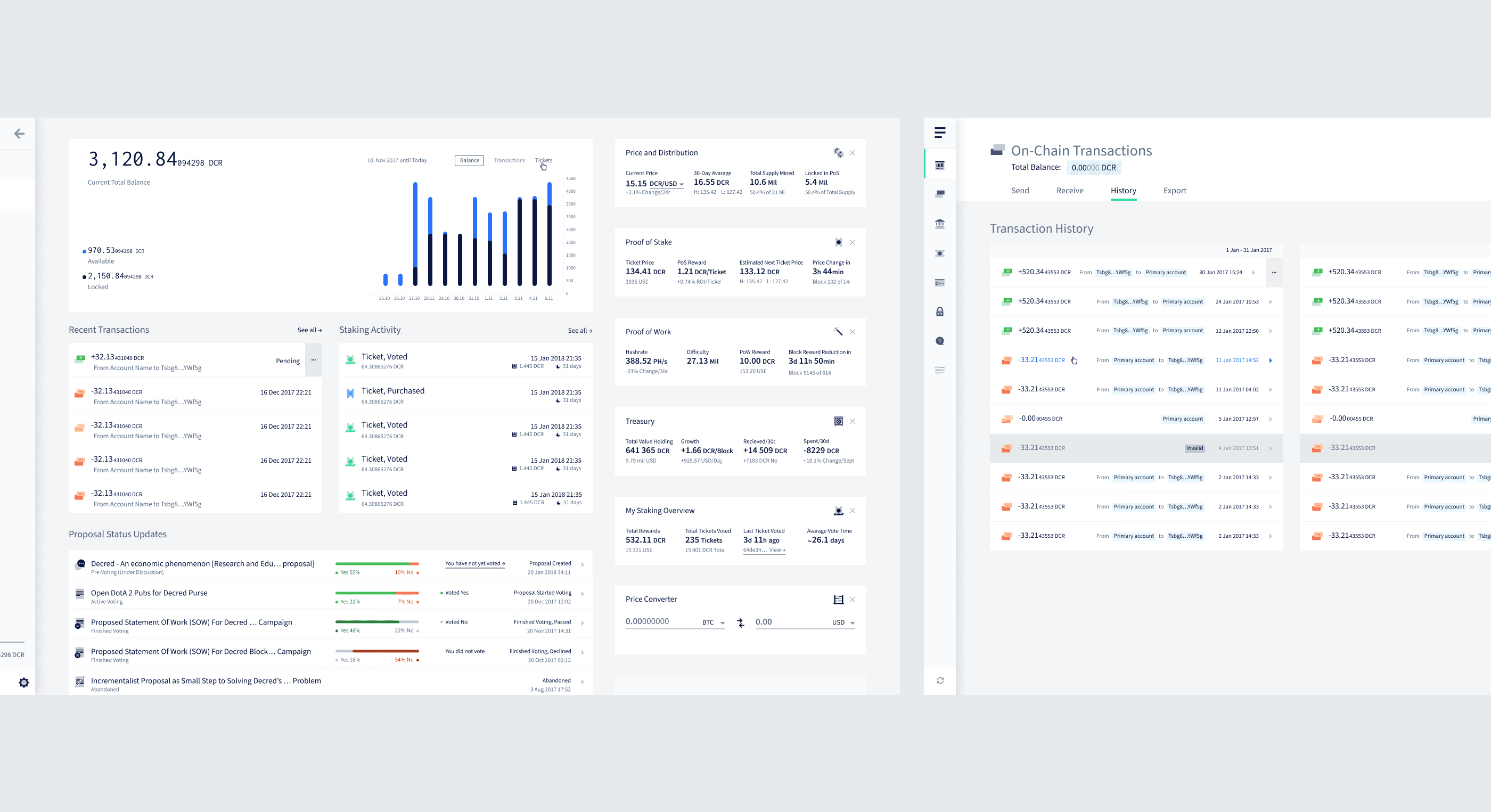
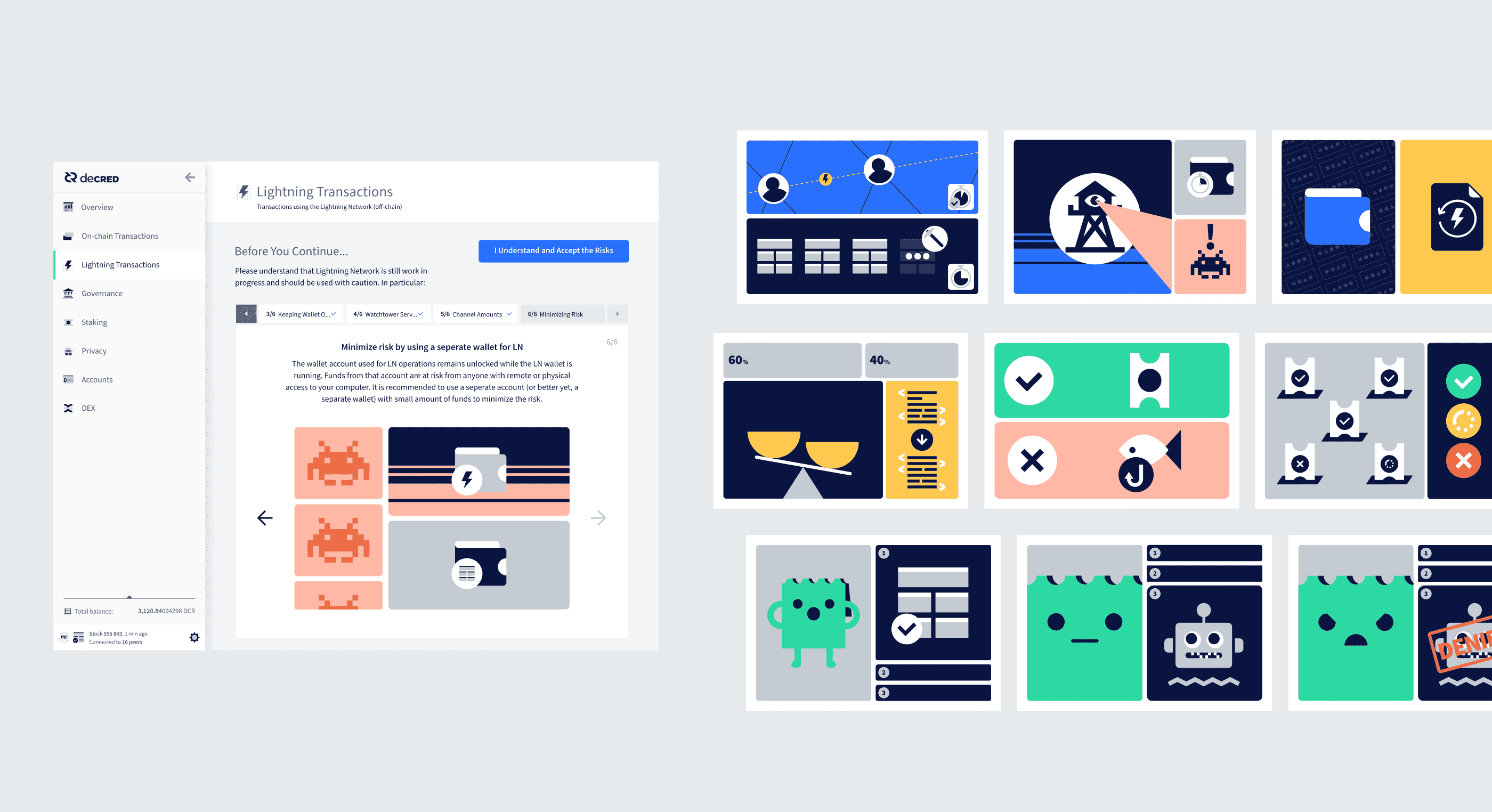
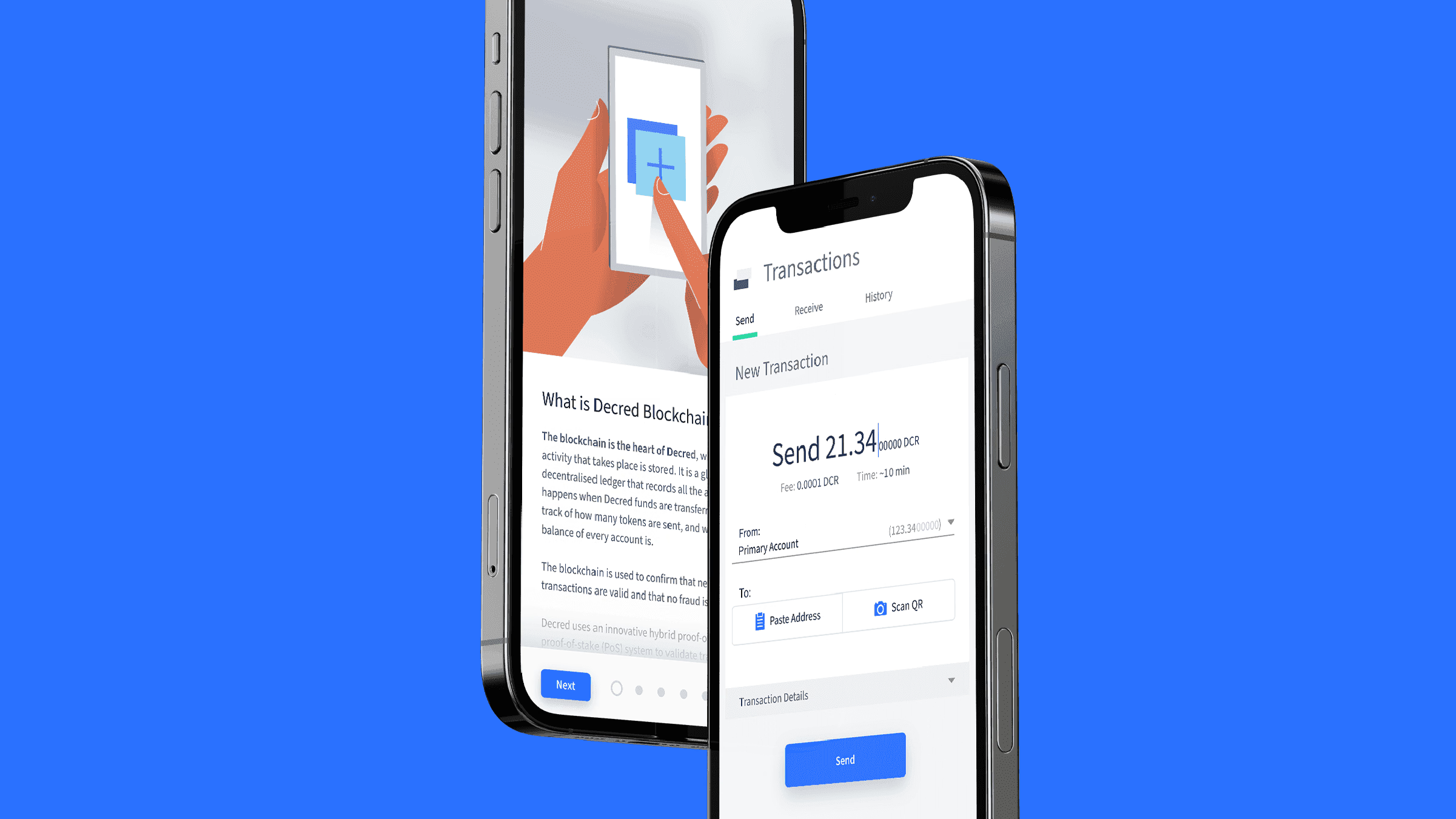
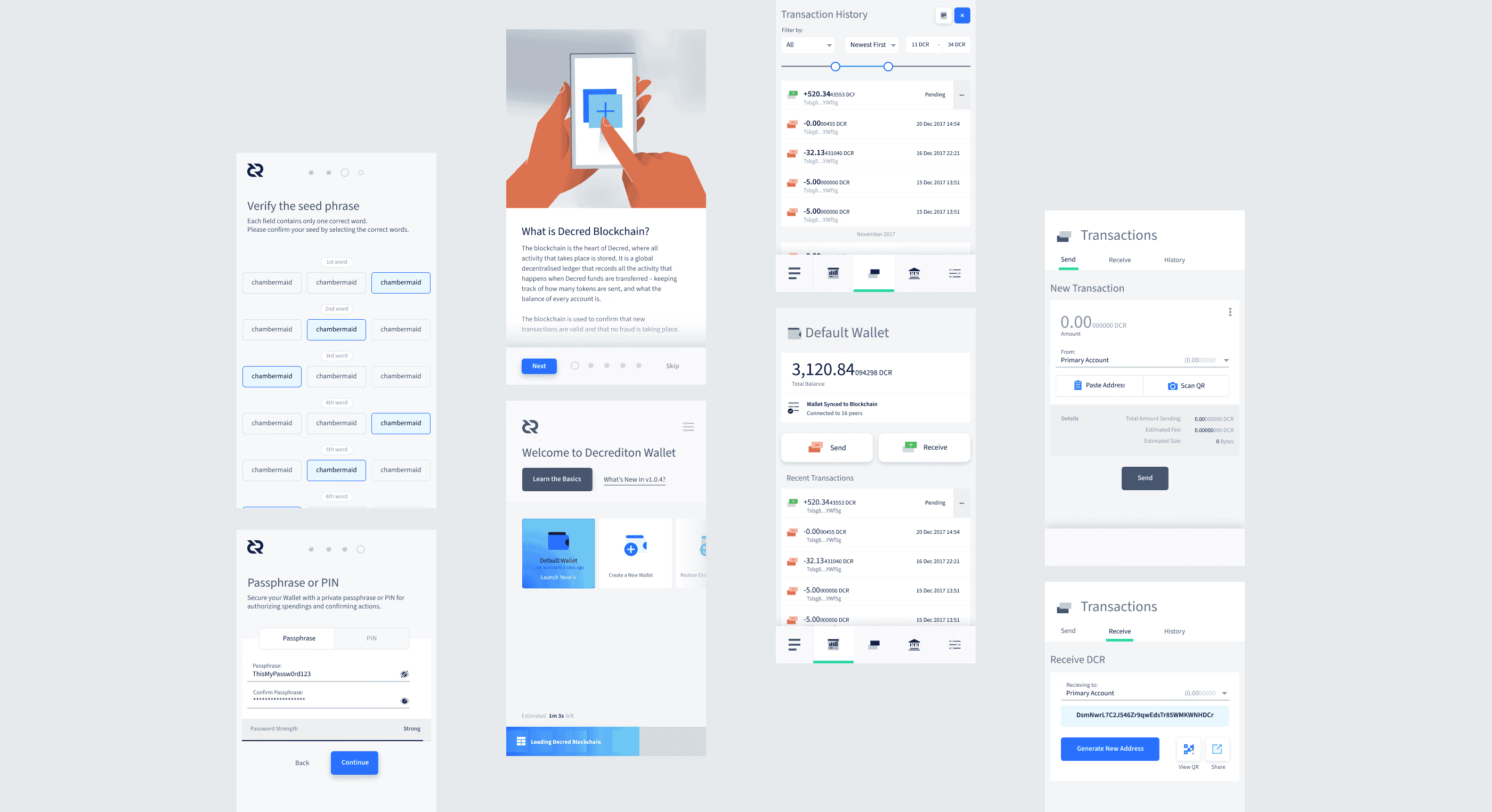
When Decrediton was first developed, most crypto wallets were difficult to understand and easy to misuse – dense, technical, and unforgiving to anyone outside early adopters. That environment made everyday mistakes more likely than they needed to be. The design goal was to shift that paradigm: make the product clearer, more approachable, and safer to operate, without compromising its security or capability.

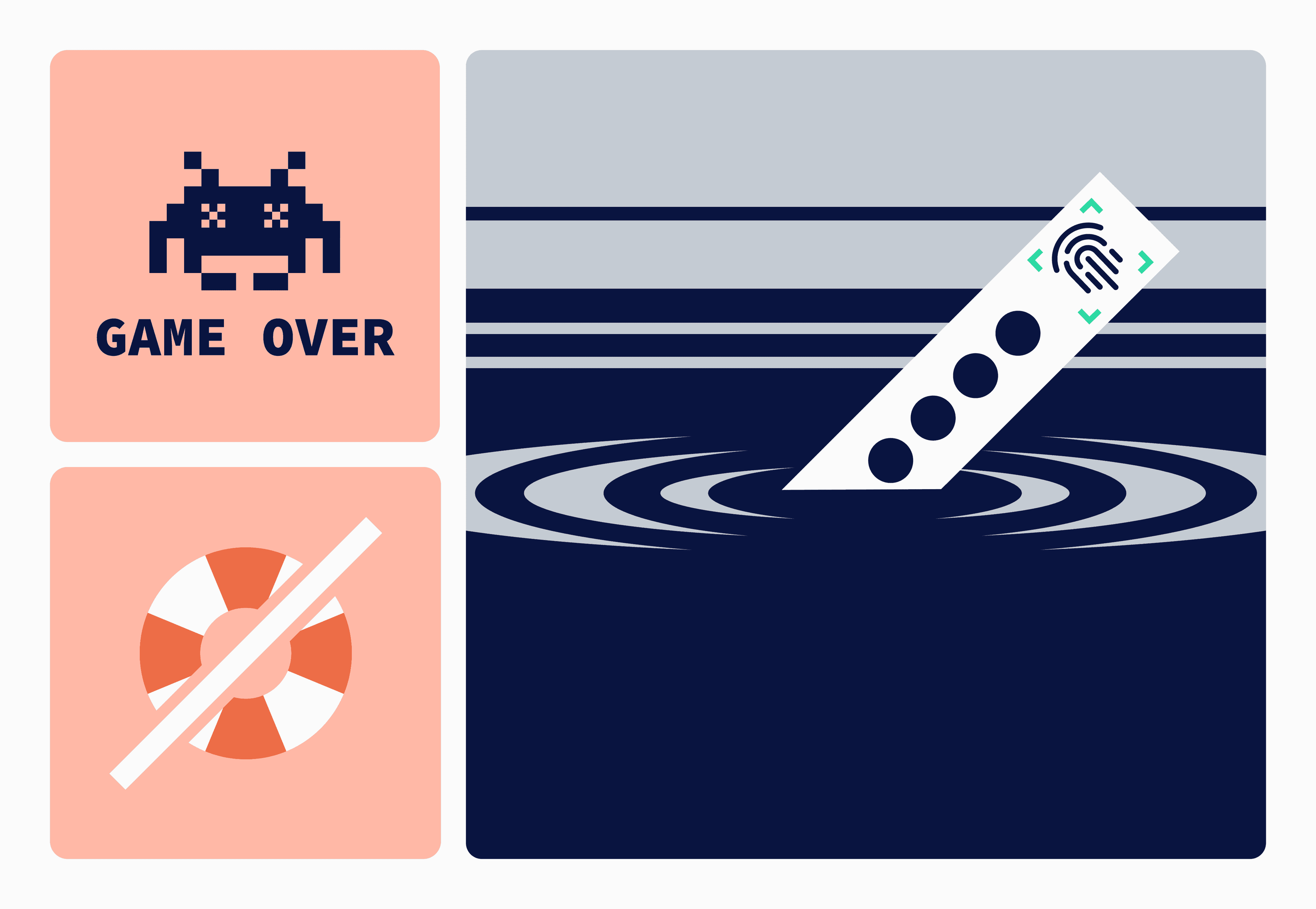
The work took place within an engineering culture influenced by early Bitcoin contributors and cypherpunk principles, where security, determinism, and auditability were treated as primary concerns. A key part of the design role was aligning the interface with those principles – turning security discipline into interaction patterns users could reason about. Critical actions were made explicit and reviewable, risk was surfaced rather than hidden, and flows were structured to help people avoid irreversible mistakes.

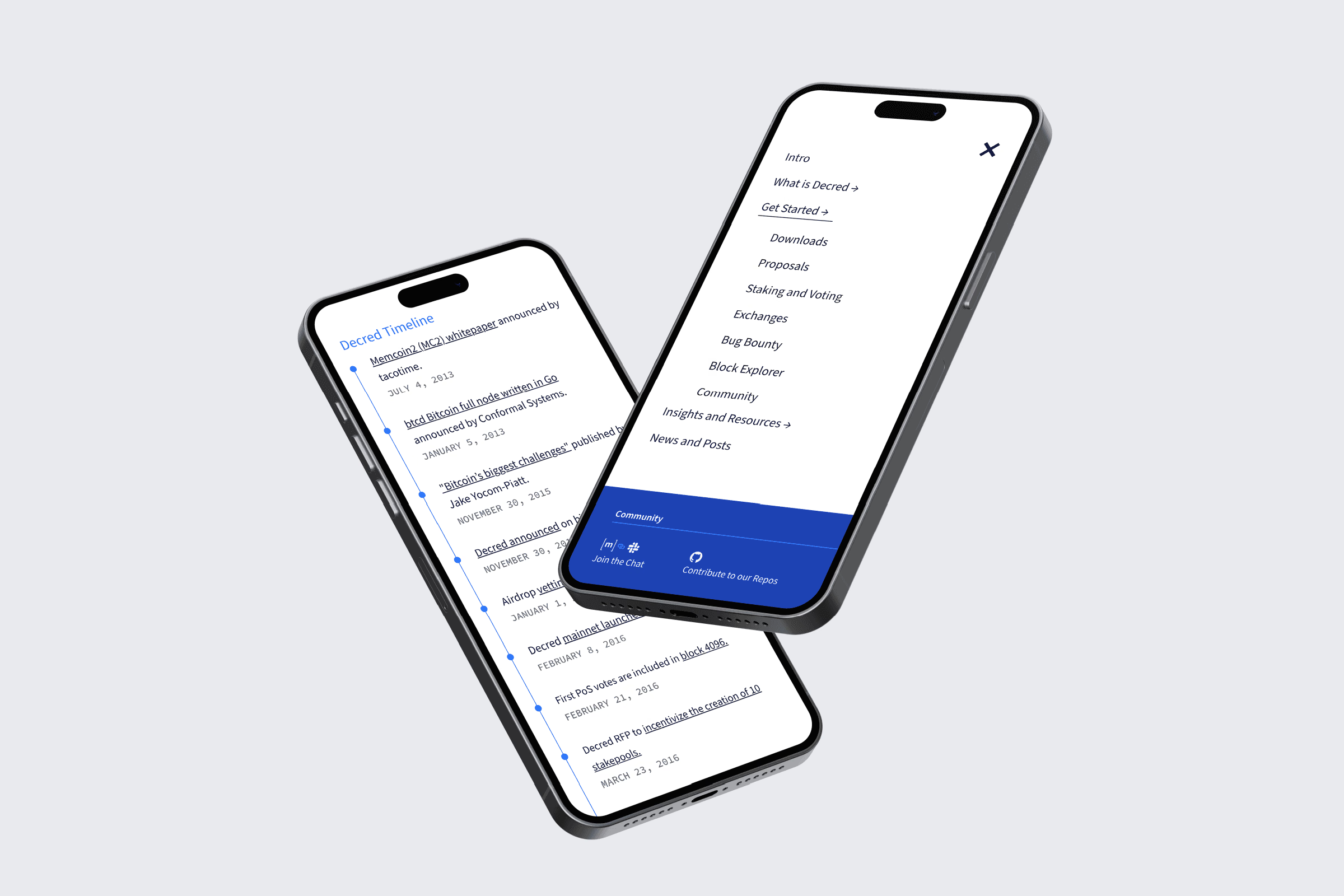
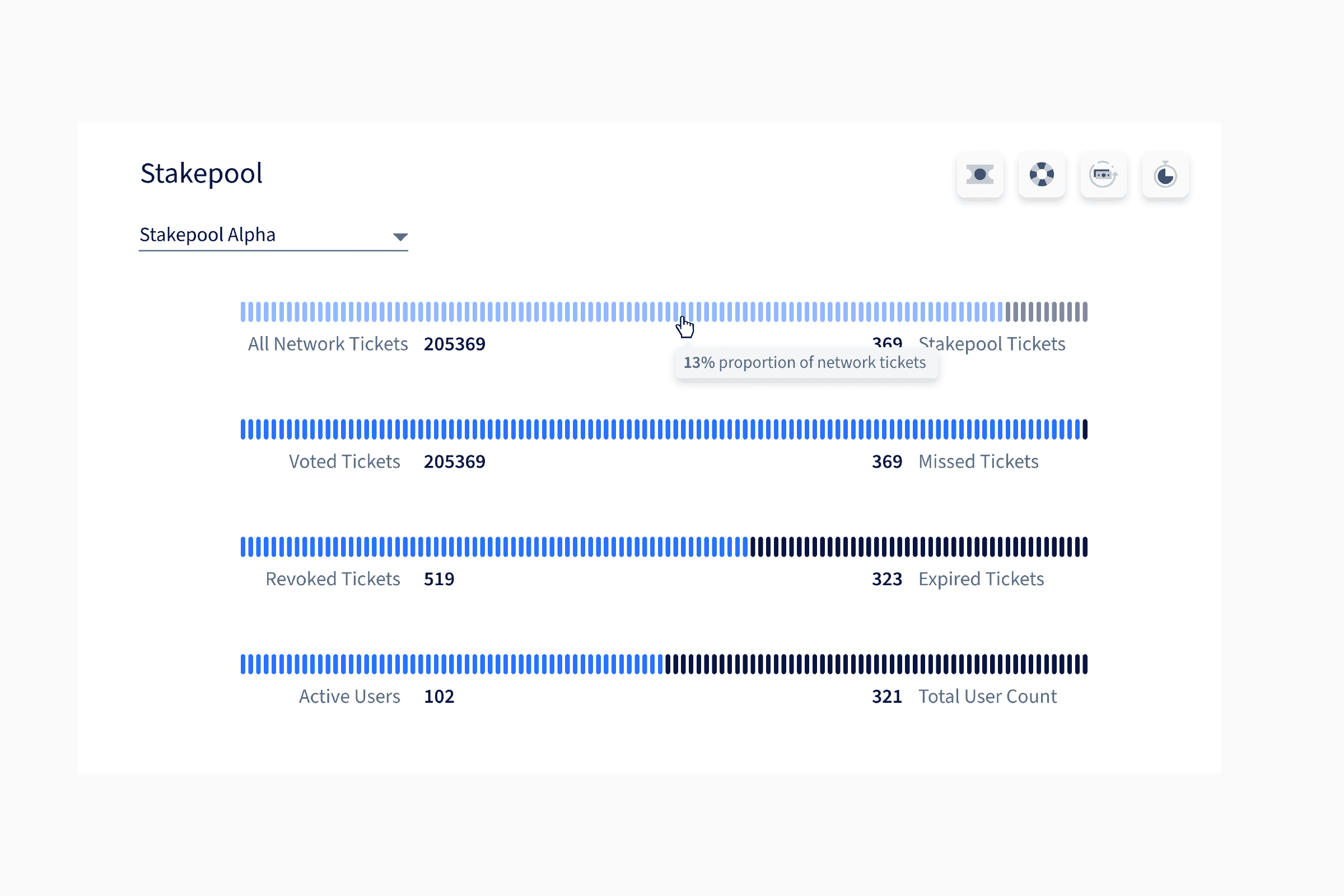
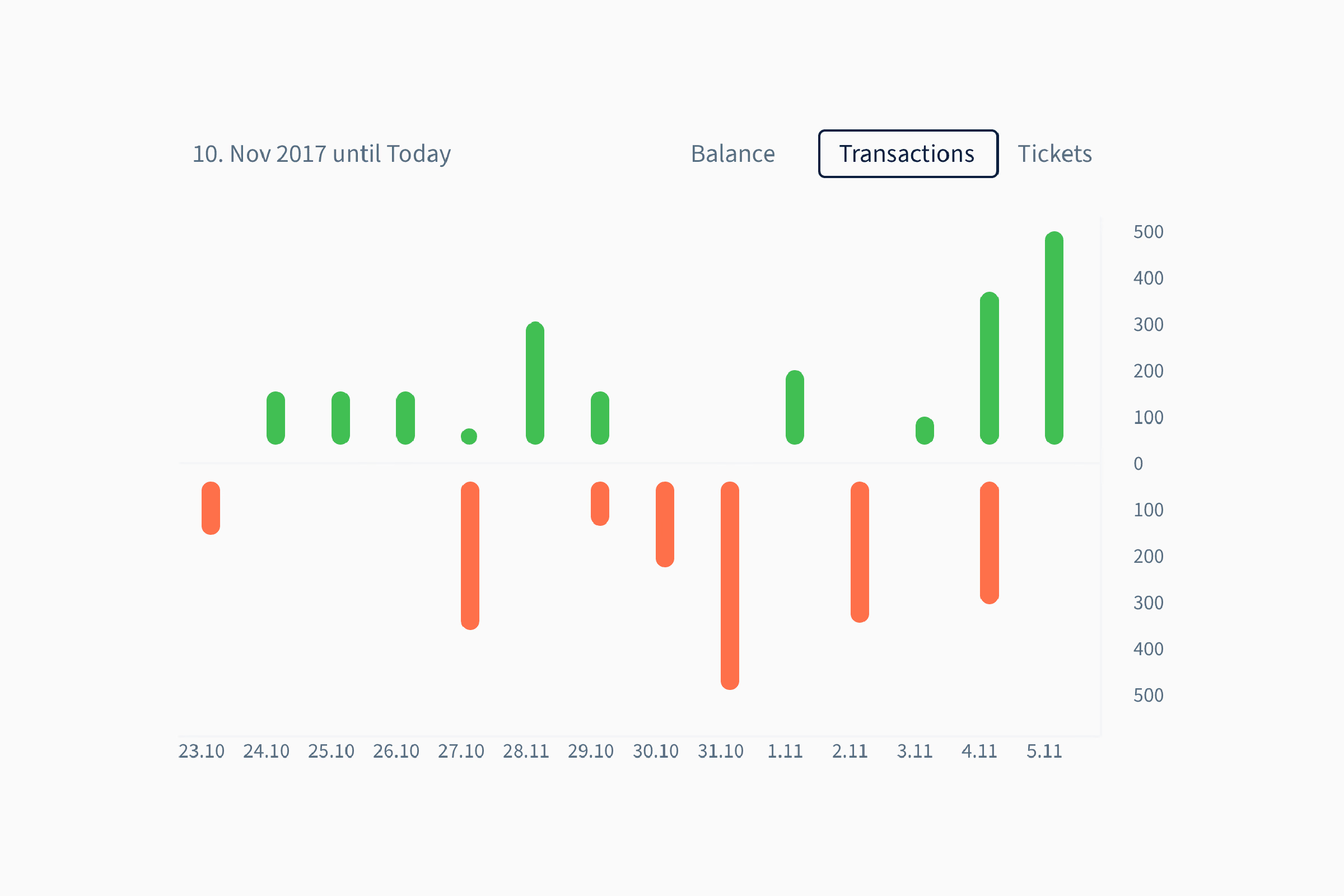
The system focused on fundamentals rather than novelty: legible hierarchy, predictable behavior, and interaction models that scaled from simple tasks to complex ones without overwhelming the user at every step. Onboarding introduced core concepts progressively, and features such as staking and fund management were designed so complexity appeared only when it was needed.

Accessibility and visual stability were built in from the start, with light, dark, and high-contrast modes meeting strict contrast expectations and maintaining a calm, consistent tone. Decrediton was designed so that non-experts could operate a security-critical system with confidence.

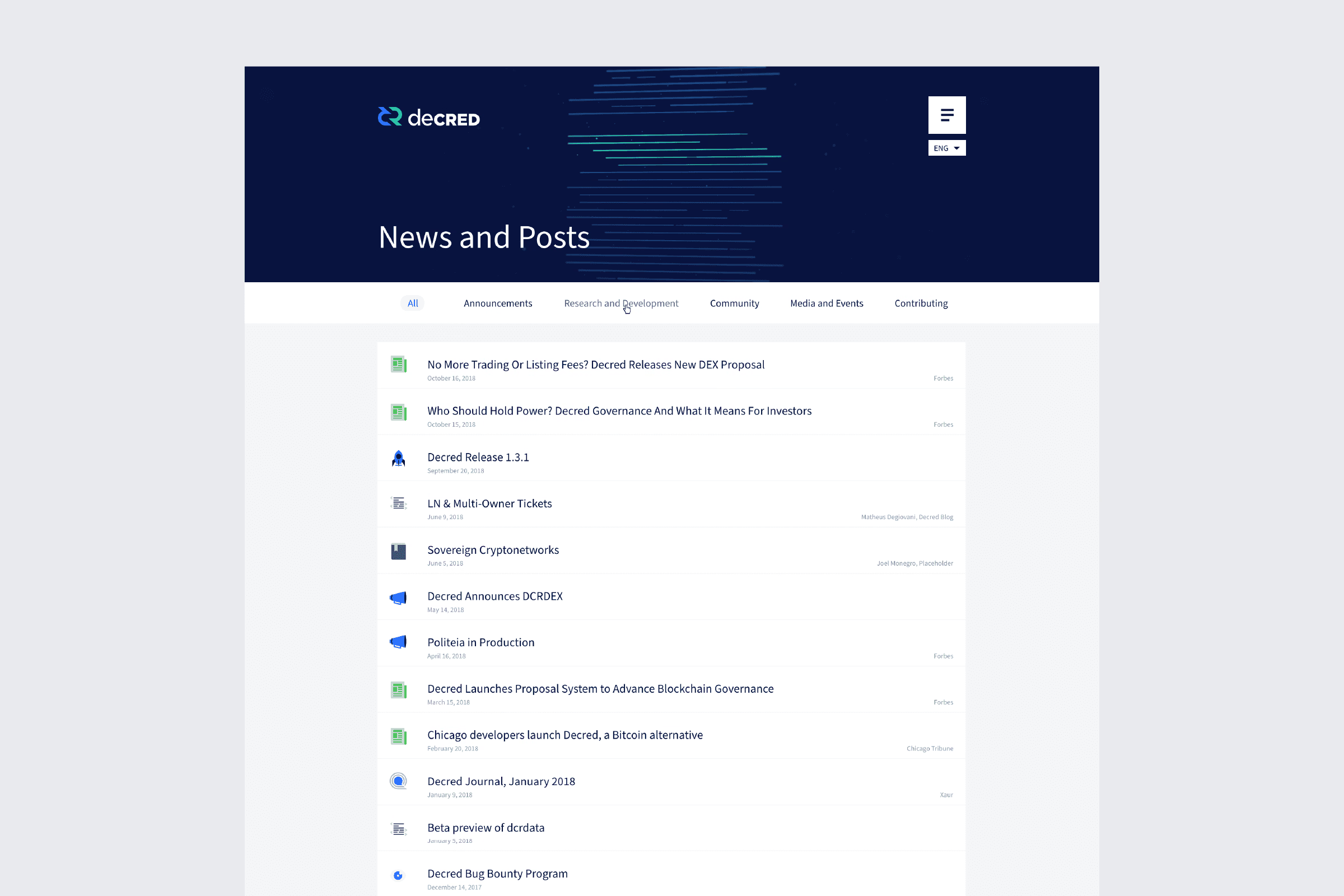
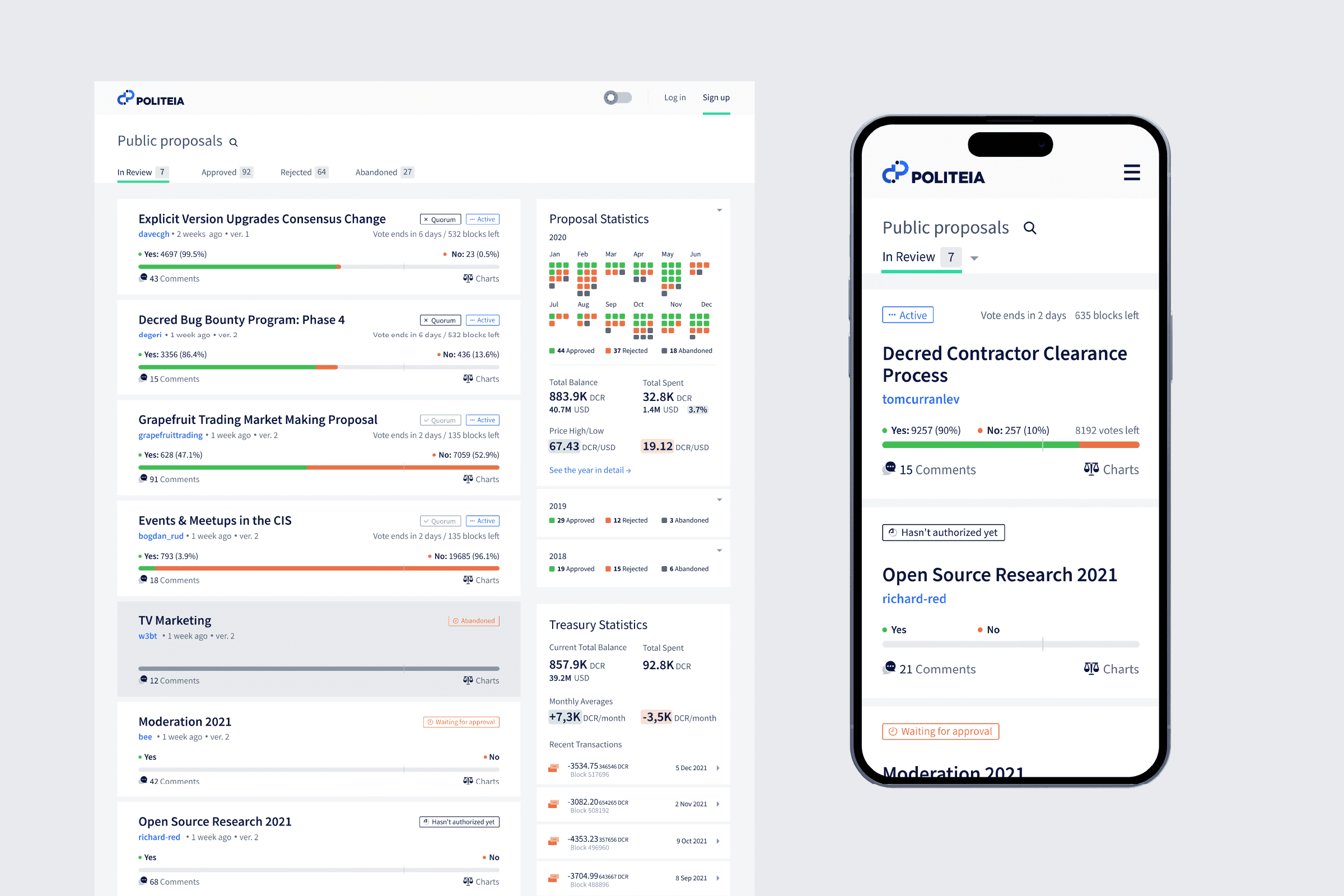
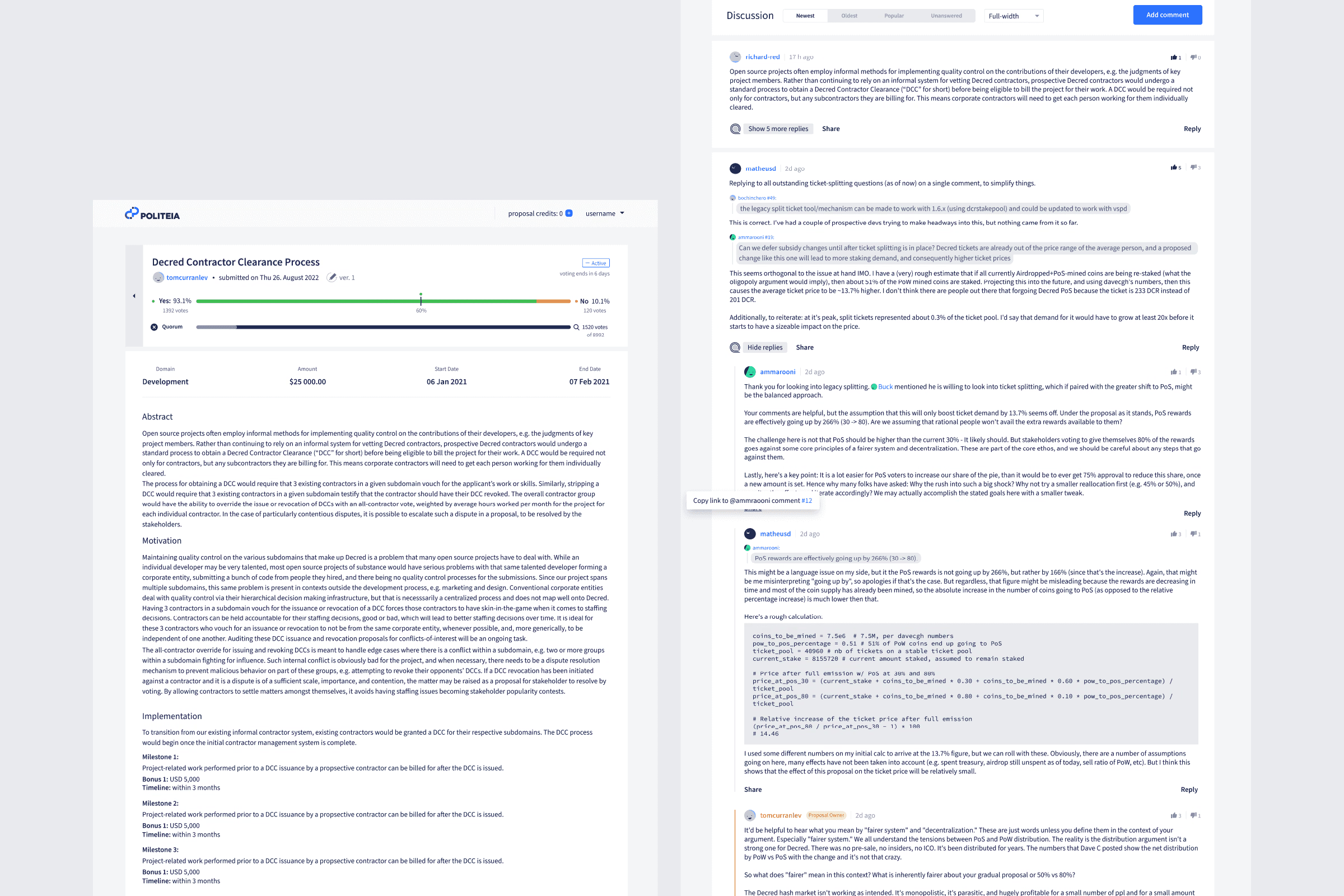
Politeia, Decred’s proposal and governance platform, applies the same philosophy to collective decision-making. Actions are recorded and cryptographically anchored to the blockchain, ensuring that proposals, comments, and moderation outcomes cannot be censored or rewritten without leaving a verifiable trace.

The design work focused on how people assess legitimacy in systems they need to trust: proposal flows made status, authorship, and voting intent unambiguous; identity and permission states were visible; and language was refined to reduce ambiguity without oversimplifying the process.

All Rights Reserved
Copyright ©2025
All Rights Reserved
Copyright ©2025
All Rights Reserved
Copyright ©2025
All Rights Reserved
Copyright ©2025